Rooms worthsitting in.
A small publication about interior style, with a bias toward furniture. One room at a time, examined properly.
Browse the studies Try the appThe Decorish app
Change a room with one sentence.
Photograph a room, say what should change - a style, a wall colour, an empty floor - and see it on your own photograph. Real photos below, each changed by the sentence under it.
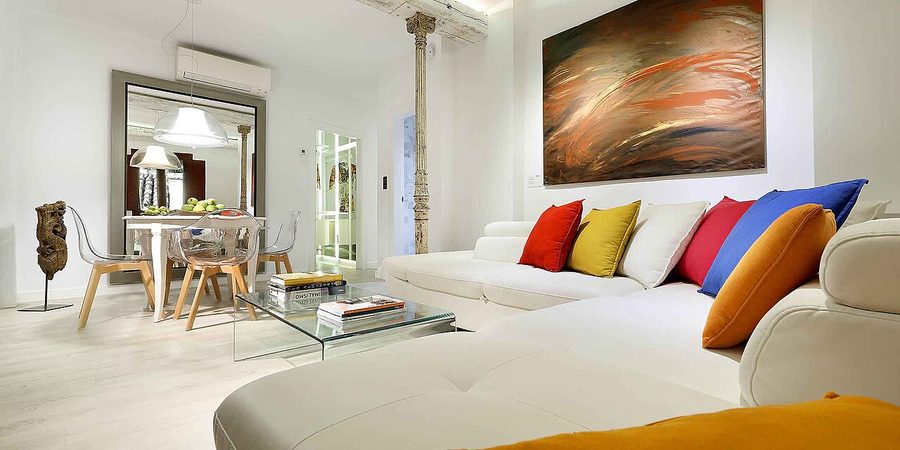
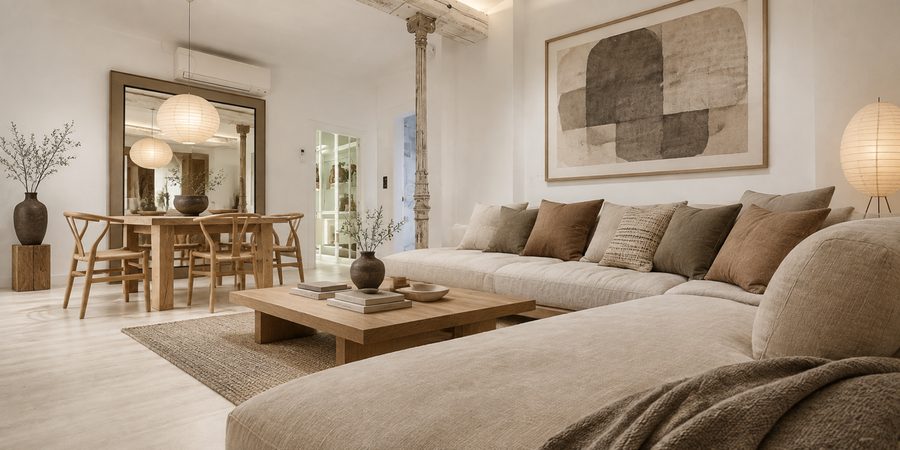



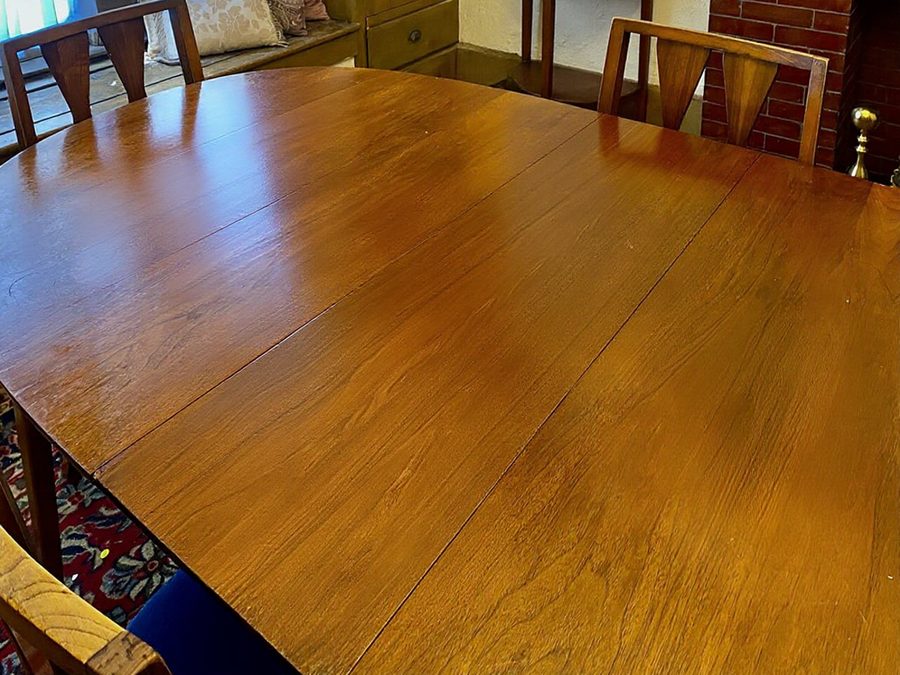
01
One room at a time
No whole-house reveals, no mood boards. Every study takes a single room and works outward from the one piece of furniture that anchors it.
02
Measurements, not moods
A bench is 450mm and a table is 750mm, and that 300mm gap is the whole reason the corner works. We write the numbers down, because the numbers are the part that transfers to your room.
03
Honest about the pictures
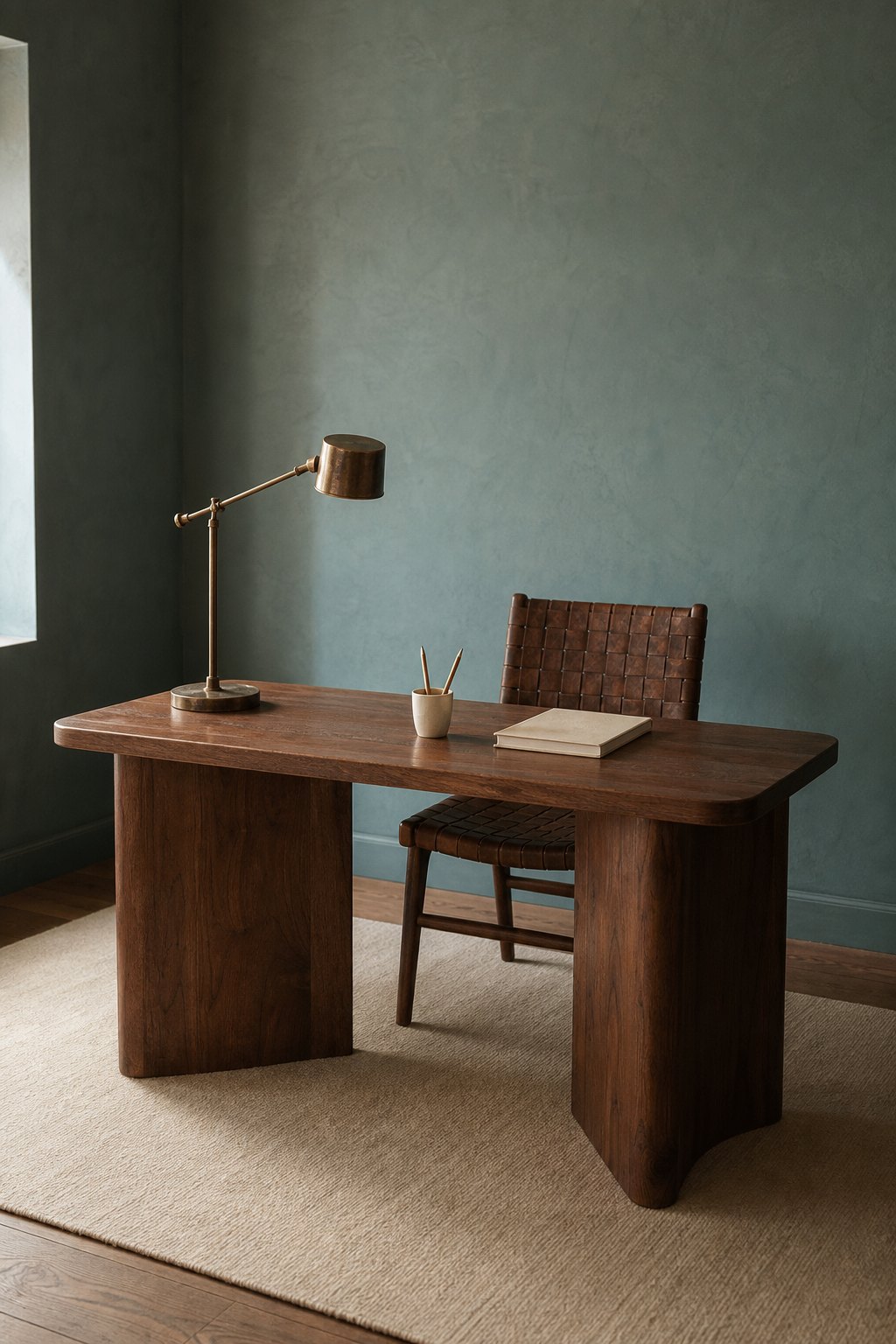
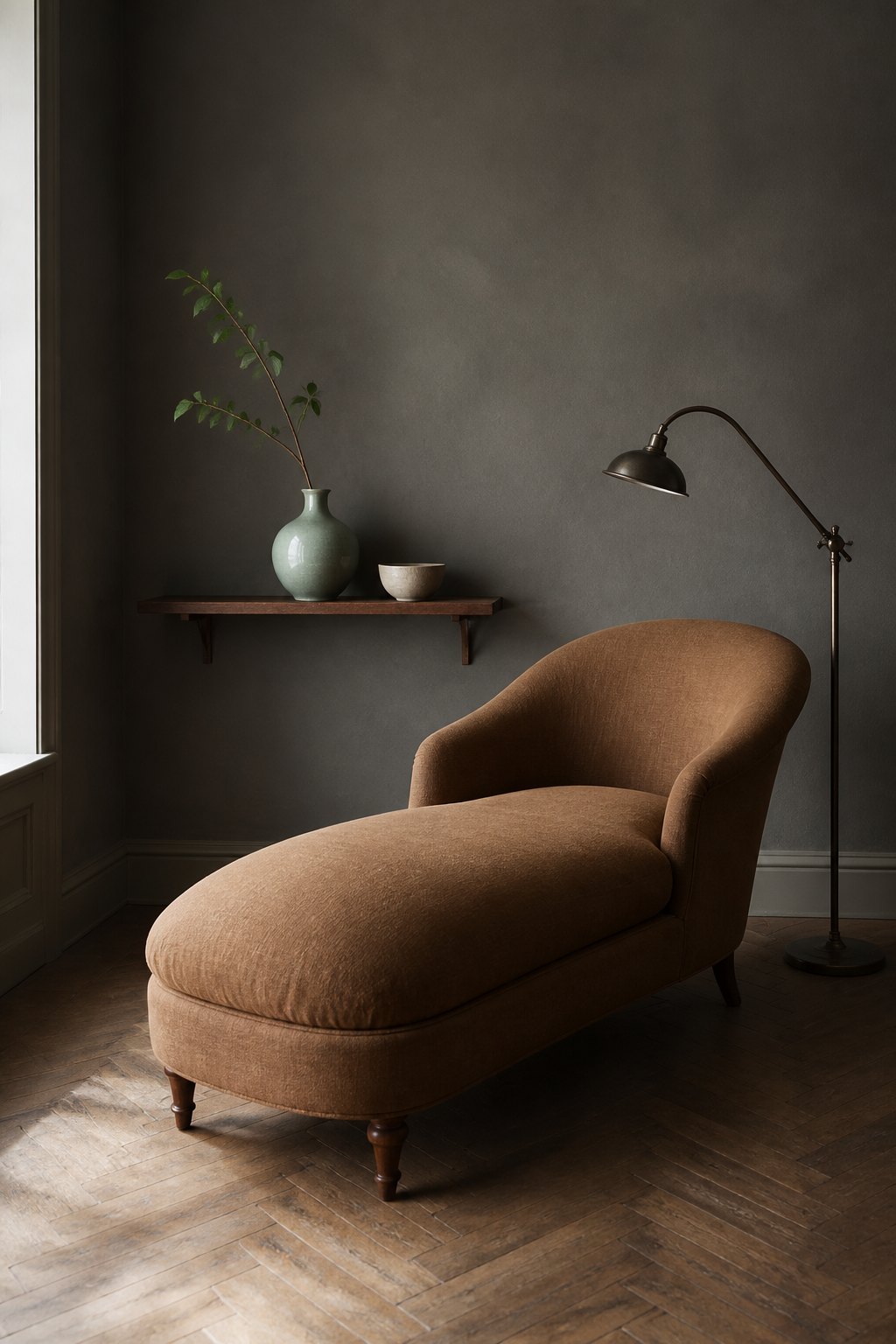
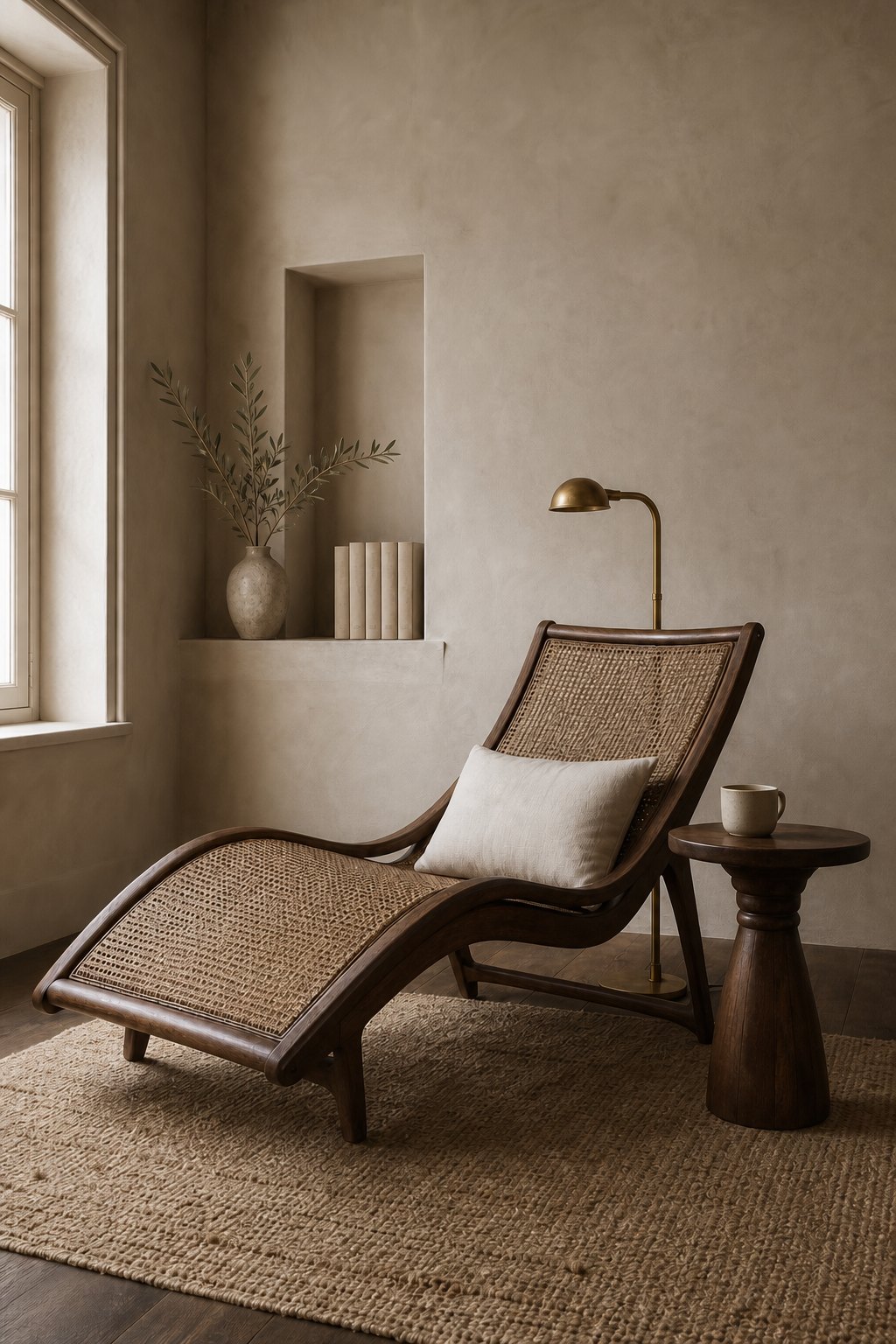
Our room photographs are AI-rendered concepts, labelled on every post. They let us show one exact idea instead of an approximate stock photo. The furniture in them is not for sale, and we never pretend otherwise.
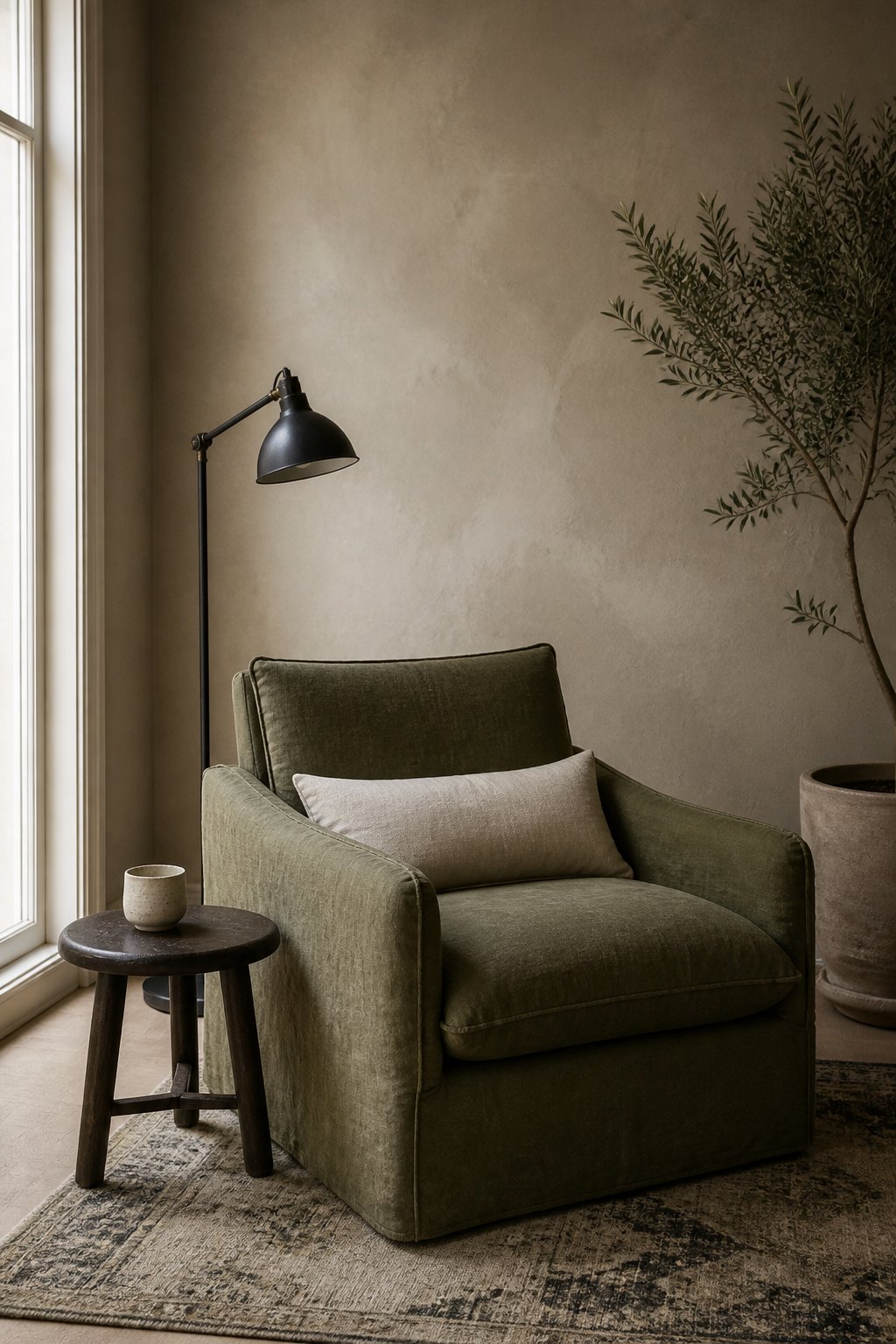
Most rooms fail on proportion, not taste. Taste is the part everyone worries about, and the part that matters least.
How a study works
- Start with the piece The chair, the table, the bed — whatever the room is actually organised around.
- Work outward What sits beside it, what light it needs, what has to be within arm's reach.
- Give the numbers Heights, depths, clearances, hanging distances — the unglamorous part that decides it.
- Say what it costs Where to spend, where not to, and when the honest answer is to buy second-hand.

,_Blanding_Street,_Columbia,_SC.jpg)
